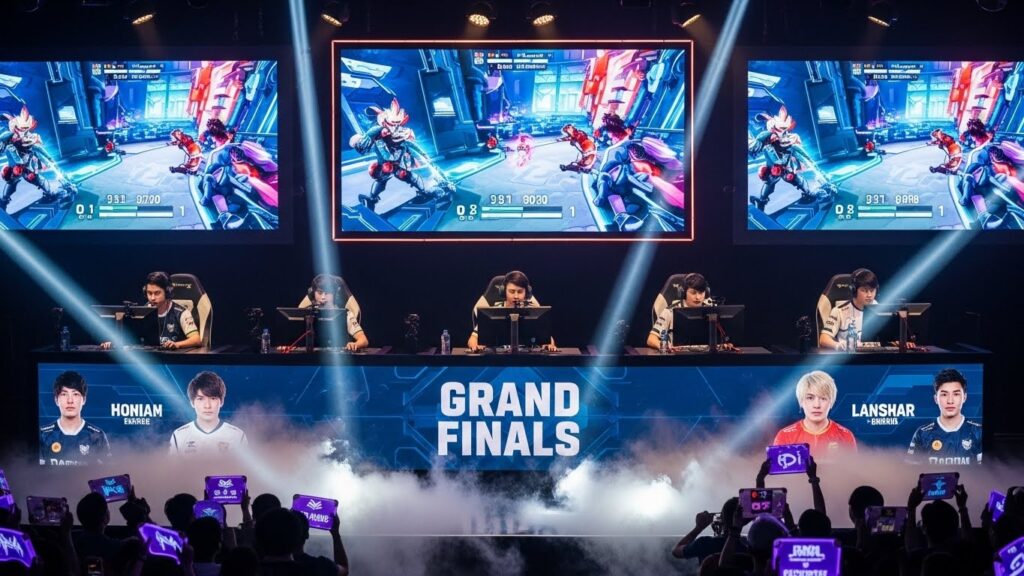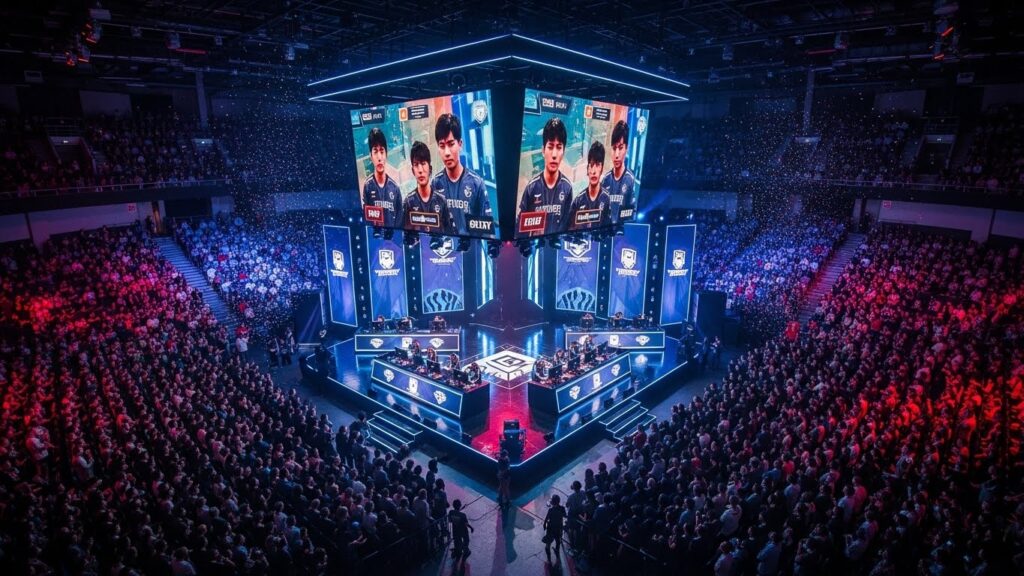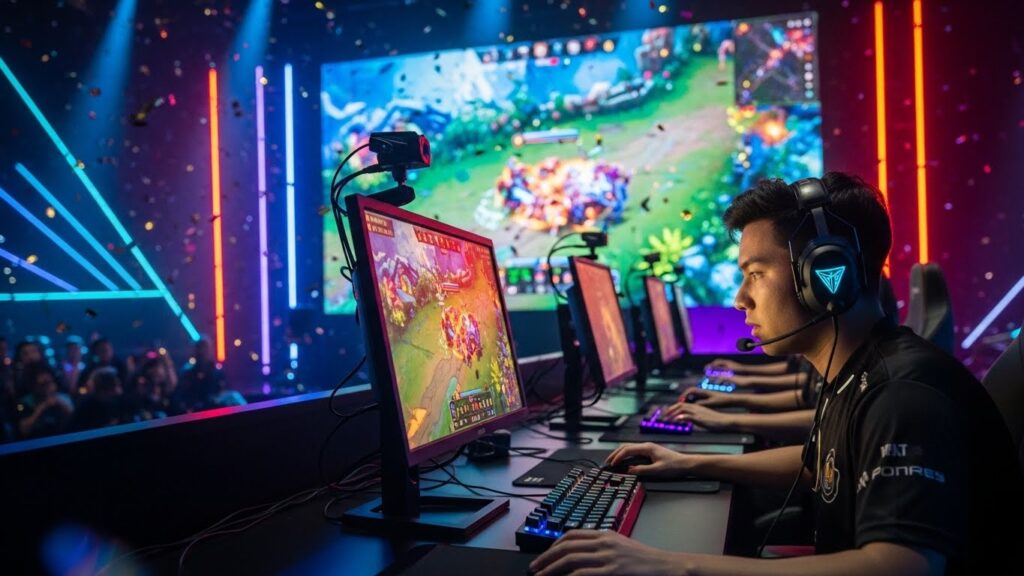
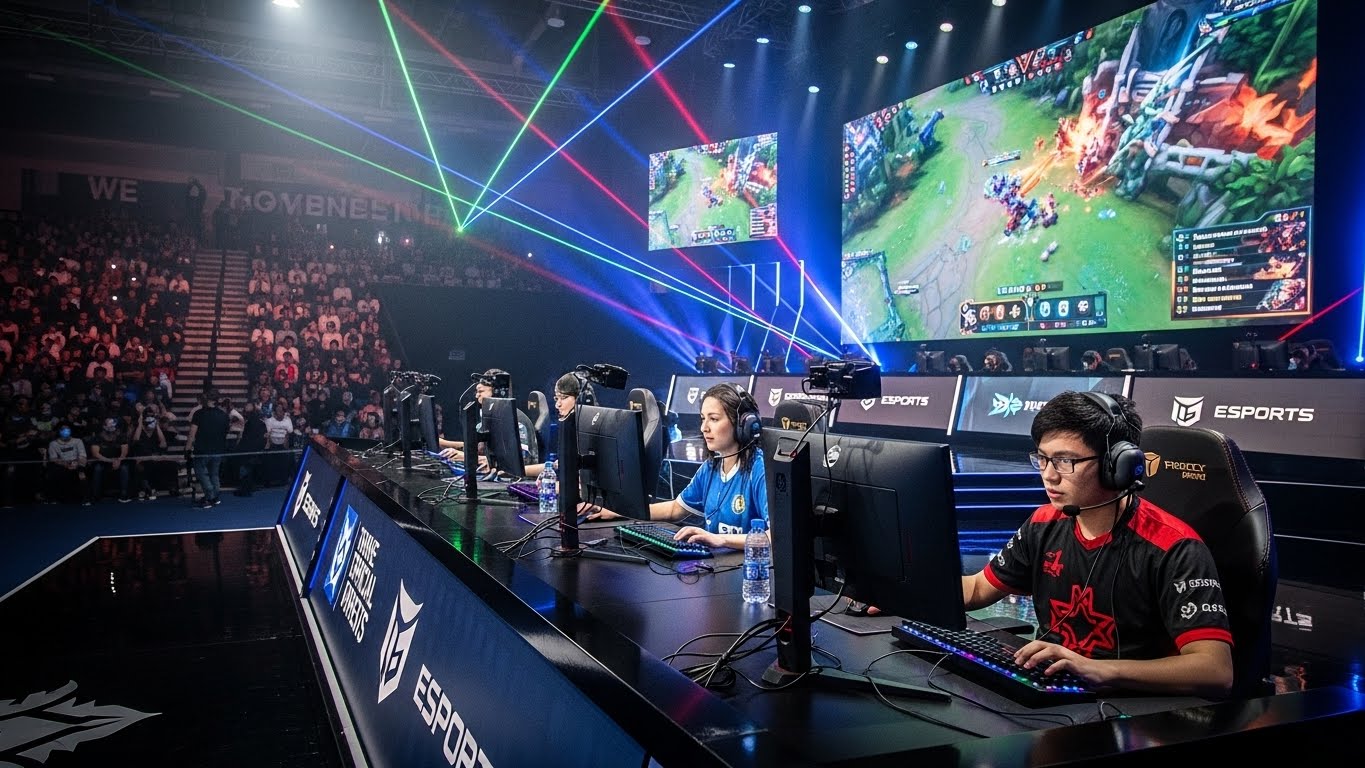
Esports, or electronic sports, has grown from niche hobby to a global phenomenon, transforming the way we think about competition, entertainment, and professional gaming. What once began as casual video game tournaments among friends has evolved into an industry that attracts millions of viewers, sponsors, and professional athletes. This blog explores the rise of esports, its cultural and economic impact, the psychology behind competitive gaming, and the future of this exciting digital arena.
The Origins of Esports
The concept of competitive gaming dates back to the 1970s and 1980s when arcade competitions began emerging. Early games like Pong and Space Invaders allowed players to compete for high scores, while arcade tournaments became social hubs for gaming enthusiasts.
In the 1990s, the rise of multiplayer PC games like Doom, Quake, and StarCraft laid the foundation for modern esports. Players could now compete against each other in real-time, and organized competitions began to attract public attention. These early competitions set the stage for professional gaming leagues that would emerge decades later.
The Evolution of Competitive Gaming
As technology improved, esports grew in complexity and popularity. The late 1990s and early 2000s saw the development of dedicated online gaming communities, where players could connect, share strategies, and organize tournaments. Games like Counter-Strike and Warcraft III became staples of competitive play, emphasizing teamwork, strategy, and skill.
The 2010s marked a turning point, with esports entering mainstream consciousness. Professional teams, large-scale tournaments, and live streaming platforms made competitive gaming more accessible and engaging for global audiences. Today, esports has become a billion-dollar industry with professional leagues, sponsorships, and international recognition.
Popular Esports Titles
Esports covers a wide range of genres, including first-person shooters, real-time strategy games, multiplayer online battle arenas, and sports simulations. Popular titles include League of Legends, Dota 2, Counter-Strike: Global Offensive, Fortnite, and Call of Duty.
Each game requires unique skills, strategies, and teamwork. For example, League of Legends emphasizes strategic planning and coordination, while Fortnite combines building mechanics with fast-paced combat. The diversity of esports titles ensures that players with different strengths and interests can find their niche in competitive gaming.
The Global Esports Industry
Esports has grown into a global industry with a massive audience. Millions of fans watch live tournaments both online and in arenas, creating a digital spectacle similar to traditional sports events. Large-scale tournaments, such as The International (Dota 2) and the League of Legends World Championship, offer multi-million-dollar prize pools, drawing players and spectators from around the world.
Sponsorships, advertising, and media rights have made esports a lucrative business. Companies invest in professional teams, events, and streaming platforms, recognizing the influence of esports on younger demographics. The industry’s growth reflects its mainstream acceptance and its potential to rival traditional sports in both economic and cultural impact.
The Psychology of Competitive Gaming
Competitive gaming appeals to a variety of psychological needs. Players are motivated by achievement, challenge, social interaction, and the desire for recognition. Games provide measurable goals, progression systems, and rewards, satisfying a player’s sense of accomplishment.
Esports also fosters teamwork, communication, and strategic thinking. Players develop problem-solving skills, resilience under pressure, and adaptability. The intense focus required during competitions trains both cognitive and emotional abilities, making esports a unique blend of entertainment and personal development.
The Role of Streaming Platforms
Streaming platforms have revolutionized esports by connecting players with audiences worldwide. Platforms like Twitch and YouTube Gaming allow professional and amateur players to broadcast gameplay, share strategies, and engage with fans.
Streaming has created a new form of entertainment and community building. Fans can watch tournaments live, interact with players through chat, and follow their favorite teams’ progress. Streamers themselves have become celebrities, influencing gaming culture and inspiring new generations of players to pursue competitive gaming.
Professional Teams and Player Careers
Esports has created professional career paths for talented gamers. Professional players train rigorously, similar to traditional athletes, with structured schedules, coaching, and team strategies. Teams often have analysts, psychologists, and physical trainers to optimize performance.
Successful esports players earn substantial incomes from tournament winnings, salaries, sponsorships, and streaming revenue. The rise of professional teams has turned esports into a legitimate career choice, offering long-term opportunities and global recognition.
Health and Wellbeing in Esports
While esports offers numerous benefits, it also poses challenges related to health and wellbeing. Long hours of practice and competition can lead to physical strain, including eye fatigue, carpal tunnel syndrome, and posture-related issues.
Mental health is equally important, as players face pressure, stress, and burnout. Top esports organizations now emphasize balanced training, mental health support, and physical fitness to ensure players can maintain peak performance sustainably. Promoting healthy habits is critical for the longevity of esports careers.
Esports and Education
Esports is increasingly integrated into educational programs, highlighting its potential for skill development. Schools and universities are establishing esports clubs and scholarship programs, recognizing the cognitive, strategic, and teamwork skills developed through competitive gaming.
Participation in esports teaches time management, critical thinking, communication, and leadership. Educational programs provide pathways for students to pursue careers in esports, gaming development, and digital media, merging passion with professional development.
Esports as a Cultural Phenomenon
Esports has become a cultural phenomenon, shaping social interactions, fashion, and entertainment. Players and fans form global communities united by shared interests, and esports events are celebrated with the enthusiasm of traditional sports finals.
Esports also reflects the growing influence of technology in society. Gaming culture impacts music, art, fashion, and social media trends, demonstrating that esports is not merely a pastime but a significant cultural force shaping modern life.
Challenges Facing Esports
Despite its rapid growth, esports faces challenges. Concerns over cheating, match-fixing, and unethical behavior threaten integrity. The pressure to perform at a young age can lead to mental health issues and burnout.
Additionally, the perception of esports as “real sports” is still debated in some circles. Advocates argue that competitive gaming requires skill, training, and dedication comparable to traditional athletics. Addressing these challenges is essential for sustainable growth and mainstream acceptance.
The Future of Esports
The future of esports is bright and filled with innovation. Advancements in virtual reality, artificial intelligence, and cloud gaming will create more immersive and dynamic competitions. Esports may expand into new formats, with cross-platform tournaments and global leagues becoming standard.
Inclusivity and diversity will also shape the future, with more opportunities for women, differently-abled players, and underrepresented communities. As the industry matures, esports is poised to rival traditional sports in audience size, revenue, and cultural influence.
Conclusion
Esports has evolved from simple multiplayer games into a global phenomenon, transforming competition, entertainment, and professional careers. It combines skill, strategy, and teamwork while fostering community, education, and cultural engagement.
Participation in esports develops cognitive, social, and emotional skills, while spectatorship unites fans worldwide. With professional leagues, streaming platforms, and international tournaments, esports has firmly established itself as a legitimate and influential industry.
The rise of esports demonstrates how technology can create new forms of entertainment, competition, and career opportunities. As the industry continues to grow, esports promises an exciting future where gaming is not just a hobby but a powerful cultural and professional force shaping the modern world.